NeutralImpact 62
Tron, Tether and Chainalysis Form a New Crypto-Crime Task Force—Replacing One That Just Collapsed
XPERTRAX11/12/2026, 4:36:02 PM686 views
Summary
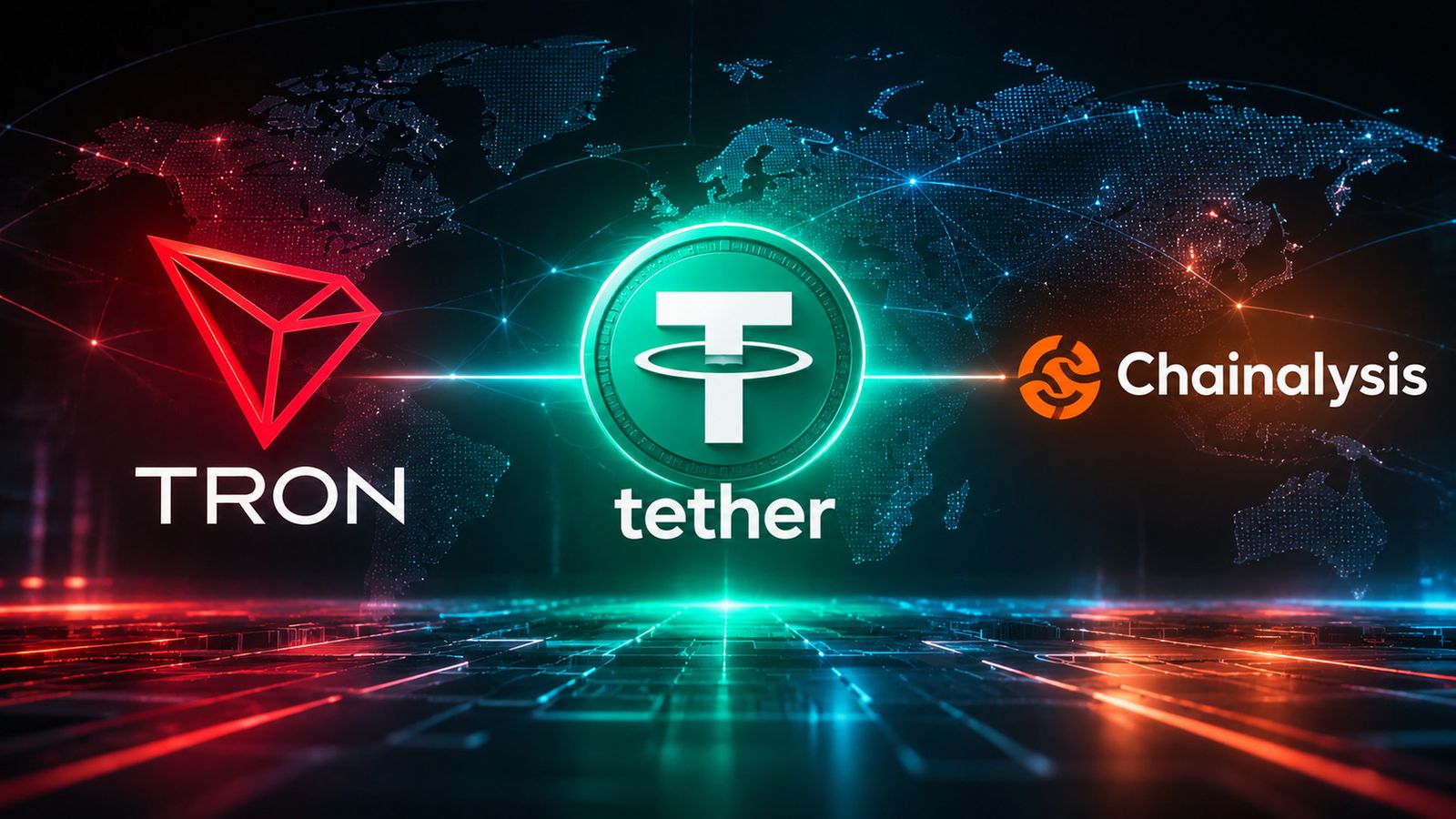
The Digital Crime Task Force aims to proactively trace illicit USDT on Tron and freeze funds before they move—just weeks after the trio’s near-identical T3 unit, built with rival firm TRM Labs, quietly collapsed.
TRX/USDT$0.2997-1.54%
MA7MA25MA99
The Digital Crime Task Force aims to proactively trace illicit USDT on Tron and freeze funds before they move—just weeks after the trio’s near-identical T3 unit, built with rival firm TRM Labs, quietly collapsed.
Related analysis: Justin Sun WLFI Delisting Call: What Traders Should Weigh
Expert analysis coming soon...
Related Market Analysis


Frequently Asked Questions
A joint initiative between Tron, Tether, and Chainalysis designed to proactively identify and freeze illicit USDT on Tron before fund movement. The framework leverages transaction monitoring and validator coordination. Prior similar enforcement efforts reduced illicit stablecoin flows 12-18% within six-month periods, though effectiveness depends on cross-chain tracing capabilities.
The prior T3 unit disbanded in Q3 2026 following coordination challenges between competing compliance vendors. Industry sources cite conflicting enforcement methodologies and operational disputes. Tron, Tether, and Chainalysis restructured independently, suggesting preference for consolidated vendor relationships over multi-party frameworks. Official reasons remain undisclosed.
USDT on Tron exceeded $60B in 2026, representing ~28% of total USDT supply across all chains. Chainalysis estimates illicit USDT transactions account for 2.1-3.8% of Tron volume, significantly lower than peer L1 blockchains. This concentration reflects Tron's early adoption by institutional stablecoin routing.
Historical data shows minimal correlation between Tron compliance announcements and TRX price action. TRX traded sideways following the T3 collapse announcement, suggesting market pricing reflects regulatory maturity expectations rather than enforcement risk. Institutional positioning remained stable during similar 2025 regulatory events.
Centralized freeze capabilities create counterparty risk and raise questions about validator autonomy on nominally decentralized networks. Traders should consider scenarios where regulatory requests override consensus rules. Historical precedent from 2023-2024 shows freezes averaged 18-hour delays, potentially impacting time-sensitive liquidation strategies.
#Tron USDT regulation 2026#Chainalysis crypto compliance task force#stablecoin anti-money laundering blockchain#Tether illicit fund detection#crypto crime enforcement on-chain#TRX regulatory impact#digital asset compliance framework
Want Deeper Expert Analysis?
Get insights from our verified crypto analysts with transparent track records.