Zcash's $850 Rally Exposes the Tokenized Assets Trap
AI Market Impact Summary

Summary
Zcash's eight-year price peak masks a dangerous precedent: how single-catalyst rallies in niche assets could trigger the same structural collapse that nearly broke markets in the 1960s.
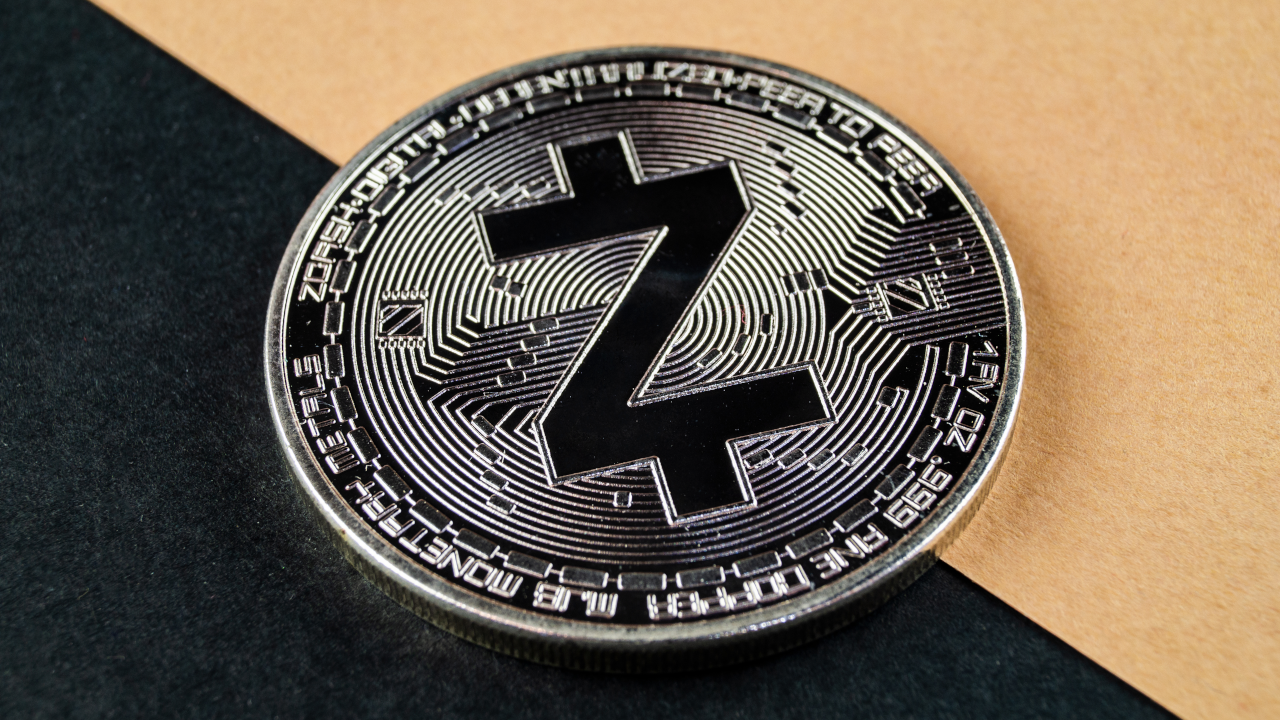
Zcash just hit $850. That's an eight-year high. The Grayscale ETF push gets the credit, and on the surface, it looks like a textbook institutional adoption story. Futures volume near $10 billion. Momentum traders stacking positions. The narrative writes itself.
But zoom out and something darker emerges. This rally isn't just about privacy coins finding new believers. It's a warning signal about how we're repeating Wall Street's 1960s playbook—except with even less friction.
The 1960s "paper crisis" happened because the settlement infrastructure couldn't keep pace with trading volume. Too many stocks, too few back-office clerks, and suddenly the system seized up. Nobody could prove who owned what. Billions in trades went unresolved for weeks. It nearly collapsed the entire market.
Tokenized assets are supposed to fix that problem. Blockchain. Instant settlement. No middlemen. Cleaner.
Fairmint's CEO raised the alarm recently: tokenized stocks could repeat this disaster. And he's right. But here's the part most analysts are missing—it won't happen the same way.
The Velocity Problem
In the 1960s, the crisis built slowly. Brokers fell behind on paperwork. Backlogs grew. Then the system broke.
With tokenized assets, the crisis would compress into minutes.
Zcash's current rally demonstrates this perfectly. $10 billion in futures volume. That's not retail enthusiasm. That's leveraged hedge funds, prop traders, and institutions ping-ponging notional value across exchanges at light speed. One exploit. One regulatory shocker. One liquidity drain. And the entire position unwinds faster than a settlement can even process.
The difference between 1960 and now: back then, delays were built-in. Brokers had time to scramble, adjust, recover. Today, everything settles on-chain. There's no scramble period. There's no recovery window.
Zcash's price action shows this risk in miniature. The ETF push triggered momentum. Futures traders piled in. But what happens when the Grayscale product launches and the "buy the announcement" crowd exits? Tokenized assets moving at blockchain speed would face that exit all at once. No graduated selling. No price discovery through intermediation. Just algorithmic unwinding at maximum velocity.
The Liquidity Mirage
That $10 billion in futures volume feels deep. It's not.
Compare it to Bitcoin futures, which regularly see $30-50 billion in daily volume. Zcash's volume is 20% of that, for an asset with a market cap of roughly $15 billion. Bitcoin's total market cap is $2+ trillion. The ratio is inverted. Zcash has disproportionately high leverage relative to its fundamental size.
That's not a sign of strength. It's a sign of fragility.
When tokenized stocks scale—and they will—they'll inherit this same structural weakness. A $500 billion tokenized stock market could easily support $5 trillion in notional futures trading. On-chain settlement at blockchain speed. Instant execution. No circuit breakers. No trading halts.
The 1960s infrastructure broke under load. Tokenized assets could break under speed.
Regulatory Catch-Up
The SEC, CFTC, and international regulators are still arguing about how to classify these things. Is a tokenized stock a security? A derivative? Both?
While they debate, settlement risk compounds.
Zcash's rally is happening in a regulatory dead zone. The Grayscale ETF exists because spot Bitcoin and Ethereum ETFs already have regulatory clarity. Zcash has no such blessing. The price is moving on perceived institutional interest, not actual institutional confidence.
The moment a major tokenized stock platform encounters a settlement failure—and statistically, one will—regulators will act. They'll impose post-trade transparency requirements. Real-time reporting. Position limits. Everything that makes on-chain settlement slower.
Which defeats the entire point of tokenized assets.
We're building infrastructure that assumes a regulatory environment that doesn't exist yet. And when it does, that infrastructure might break.
What Zcash's Rally Actually Signals
Privacy coins benefiting from institutional money isn't unusual. Monero did this in 2016-2017. Zcash peaked above $700 in late 2017, crashed to $30 by 2018, and has been rebuilding ever since.
The pattern repeats. Narrative changes. Price rallies 200%. Institutions claim alignment. Then something breaks.
This time, the something is structural.
If tokenized stocks become real—and the technical case for them is solid—they need settlement infrastructure that's faster than traditional markets but more stable than blockchain currently allows. That probably means hybrid systems. On-chain for transparency. Institutional custody. Clearing houses. The very middlemen we were supposed to eliminate.
Zcash rallying to $850 on ETF hopes is fine. It's a legitimate trade. But using it as a proxy for how tokenized assets will behave at scale is dangerous thinking.
The 1960s paper crisis happened because systems designed for 1950s volume couldn't handle 1960s reality. Tokenized assets risk the inverse: systems designed for blockchain speed getting buried under regulatory friction.
Neither scenario ends at $850.
For additional context on ZEC market developments, explore our related market analysis.
Expert Analyses (2)

Marcus Weber
Analyst

Carlos Mendez
Analyst
Related Market Analysis

Digital Cash Privacy Crisis: Why Bank Breaches Are Breaking CBDC Promises

OpenAI Engineer Arrested for Bugging Office, Company Says AI Caught Him

Digital cash offers ‘cash-like privacy,’ but bank data breaches threaten users: BIS
How Zcash Plans to Hide Your Keys From AI and Quantum Attacks
Related Questions
Frequently Asked Questions
Want Deeper Expert Analysis?
Get insights from our verified crypto analysts with transparent track records.