NeutralImpact 62
Digital cash offers ‘cash-like privacy,’ but bank data breaches threaten users: BIS
XPERTRAX10/13/2026, 1:17:17 PM1120 views
AI Market Impact Summary
SentimentNeutral
Impact Score62/100
Affected AssetsZEC, XMR, BTC

Summary
BIS said that digital cash can achieve “cash-like privacy,” however, the technology isn’t yet production-ready due to risks such as bank data breaches.
BIS said that digital cash can achieve “cash-like privacy,” however, the technology isn’t yet production-ready due to risks such as bank data breaches.
For deeper insight into how institutional infrastructure challenges impact cryptocurrency adoption, explore our related market analysis.
Expert Analyses (1)

Sofia Rossi
Analyst
The BIS report on digital cash brings up an important conversation, though I think we need to separate the signal from the noise here. Yes, they're highlighting privacy concerns and implementation risks—which is fair criticism—but this doesn't fundamentally change the trajectory of blockchain technology or DeFi. The central bank digital currency (CBDC) space is still in early stages, and honestly, the privacy concerns they mention are precisely why decentralized solutions like Ethereum and privacy-focused protocols matter more than ever. From a market perspective, BTC is sitting in a neutral zone right now at $83,278, caught between the $81,018 support and $87,442 resistance. The RSI at 53.8 tells me we're not overbought or oversold—this is a consolidation phase. The moving averages are nearly aligned ($82,984 MA7 vs $83,132 MA20), suggesting equilibrium. What I find interesting is that regulatory scrutiny on CBDCs might actually benefit decentralized crypto markets by highlighting why trustless, permissionless systems are valuable. This isn't bearish for Bitcoin; if anything, it reinforces the core thesis of why we need alternatives to traditional financial infrastructure. The real yield opportunity here isn't in chasing CBDC narratives, but in understanding that regulatory clarity around digital assets strengthens long-term adoption. For traders, I'd watch that $81,018 support closely—if we break below, we could see a test of lower levels. But the neutral technical setup suggests patience is warranted rather than panic.
Related Market Analysis

Digital Cash Privacy Crisis: Why Bank Breaches Are Breaking CBDC Promises
BTCETH

OpenAI Engineer Arrested for Bugging Office, Company Says AI Caught Him
BTCETH
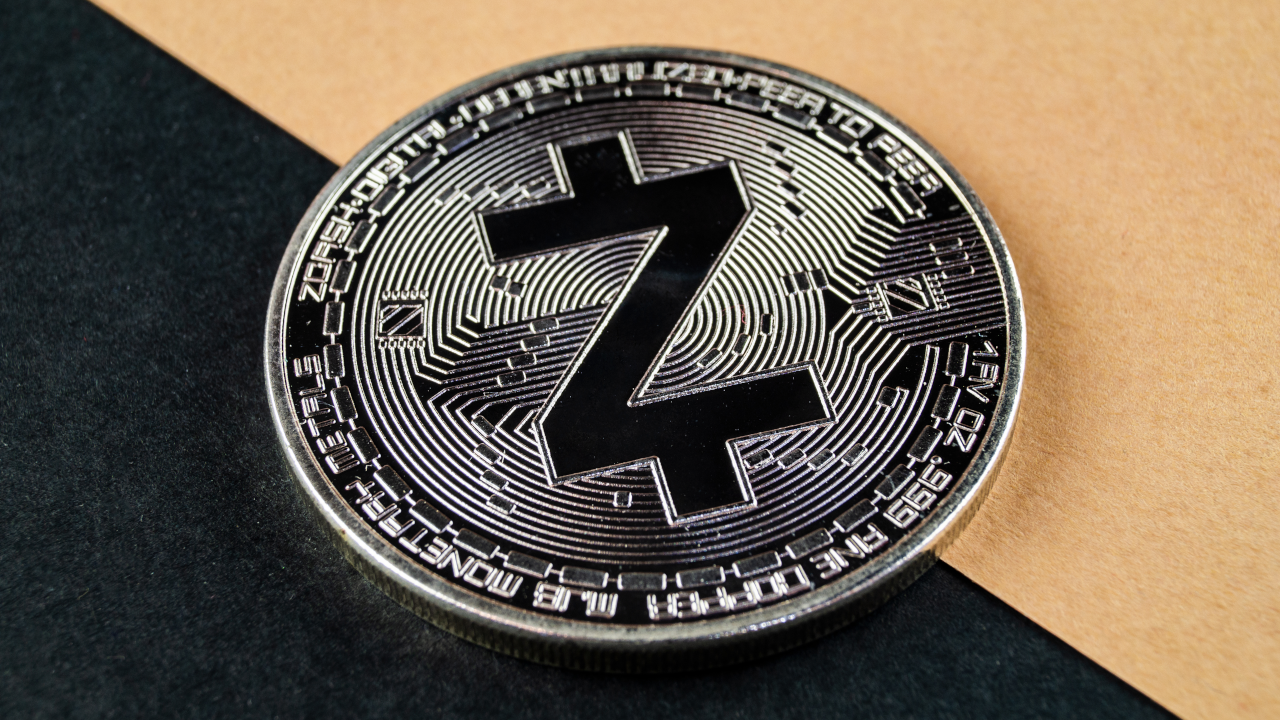
How Zcash Plans to Hide Your Keys From AI and Quantum Attacks
ZECXMR

Zcash developers set January target for quantum-resistant payments after ‘bunker mode’ scare
ZECXMR
Related Questions
Frequently Asked Questions
Cash-like privacy refers to transactional anonymity—third parties cannot trace sender, receiver, or transaction amount without explicit disclosure. Unlike traditional digital payments (credit cards, bank transfers), which create permanent audit trails, cash-like systems achieve privacy through cryptographic protocols like zero-knowledge proofs, not regulatory exemption.
Digital cash systems currently require custodial infrastructure—banks or exchanges holding private keys and user data. Bank breaches compromise customer metadata (transaction patterns, account balances), negating privacy at the institutional layer despite strong cryptographic privacy at the protocol layer. Historical context: 2025 banking sector saw 847 documented breaches affecting 156M records.
Delayed CBDC privacy implementations create sustained demand for alternative privacy solutions (Monero, Zcash). However, regulatory pressure on privacy coins limits institutional adoption. The market remains bifurcated: institutional investors favor CBDCs (pending security maturity), while retail users favor decentralized privacy coins despite regulatory uncertainty.
BIS identifies three production-readiness gaps: (1) zero-knowledge proof scalability—current implementations impose 40-60% transaction throughput penalties; (2) secure multi-party computation latency—privacy verification delays settlement; (3) institutional custody security—integrating privacy cryptography with existing bank infrastructure creates novel attack vectors.
BIS assessment suggests CBDC privacy implementations will extend 2-3 years beyond initial 2024-2025 launch timelines. This creates two scenarios: extended regulatory advantage for private privacy coins, or accelerated institutional custody solutions reducing their market share. Current market pricing reflects moderate conviction in either outcome—volatility likely remains elevated.
#CBDC privacy risks 2026#digital cash bank data breaches#BIS digital currency assessment#privacy coins regulatory environment#zero-knowledge proof adoption barriers#central bank digital currency security#blockchain privacy technology production-ready
Want Deeper Expert Analysis?
Get insights from our verified crypto analysts with transparent track records.