NeutralImpact 8
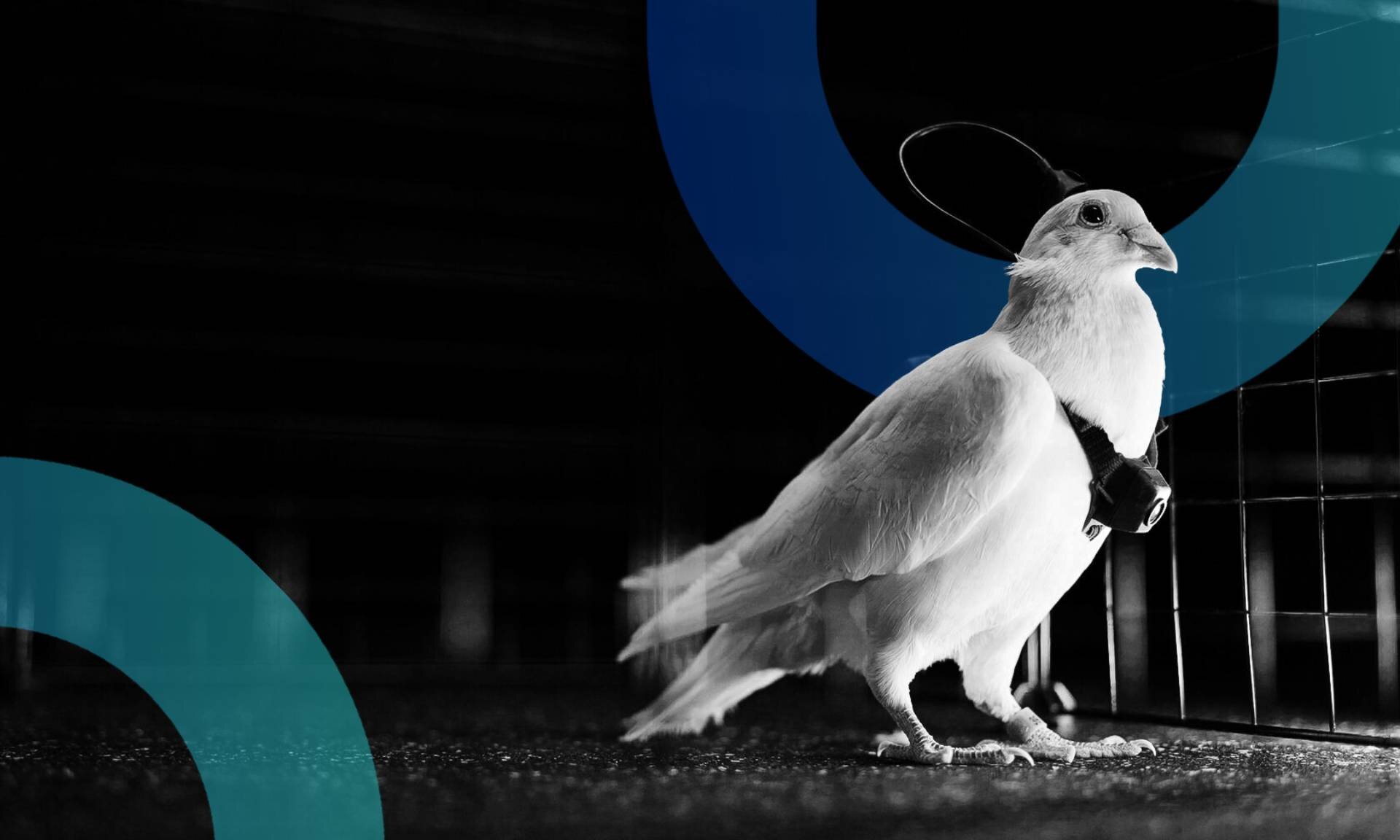
Russia Is Turning Pigeons Into Cyborg Drones—and You Can Now Hire Them
XPERTRAX11/28/2026, 2:01:02 PM180 views
AI Market Impact Summary
SentimentNeutral
Impact Score8/100
Summary
A Russian neurotechnology company is taking commercial orders for brain-implanted pigeons that it says can follow remote commands and fly for more than 10 hours.
A Russian neurotechnology company is taking commercial orders for brain-implanted pigeons that it says can follow remote commands and fly for more than 10 hours.
Related analysis: Pi Network News: OpenPay Restores PI Cash-In as Payment Utility Expands
Related Market Analysis
Pi Network News: OpenPay Restores PI Cash-In as Payment Utility Expands
PI
Pi Network Tests USDT and DOGE in Its Wallet — Is Pi DeFi Getting Closer?
PI
TRUMP Coin Price Surges While Bitcoin Falls: Why Official Trump Is Rising
TRUMP
Pi Network LatinChain Returns to the Spotlight: Why This 2021 Hackathon Project Is Worth Watching Again
PI
Frequently Asked Questions
The Russian neurotechnology firm surgically implants neural interface devices into pigeon brains, allowing operators to transmit remote control signals. The implant stimulates motor cortex regions, directing flight patterns and navigation. Historical precedent exists in brain-computer interface research; similar neural stimulation has demonstrated control over animal movement in peer-reviewed neuroscience studies.
The company markets the technology for surveillance, reconnaissance, and monitoring tasks where traditional drones face limitations. Pigeons offer biological camouflage, extended battery life (via animal metabolism), and reduced regulatory scrutiny compared to mechanical drones in certain jurisdictions. Use cases remain primarily experimental.
According to the company, their neural-implant pigeons can maintain sustained flight for more than 10 hours. This exceeds most consumer-grade drones' battery capacity. Flight duration depends on implant power draw, pigeon metabolism, and payload weight—variables the company has not disclosed in detail publicly.
Animal neurotechnology sits in regulatory gray zones globally. Russia operates under less stringent animal-tech oversight than EU or US frameworks. Ethical concerns regarding animal welfare, consciousness, and suffering remain contested among bioethicists. Regulatory clarity for commercial animal neurotechnology adoption remains underdeveloped.
No direct connection exists between neural-implanted pigeon drones and cryptocurrency markets, blockchain infrastructure, or digital assets. This is a biotech/autonomy innovation independent of crypto market dynamics, regulatory frameworks, or institutional adoption patterns. Cross-sector relevance is negligible.
#Russia neurotechnology pigeon drones 2026#brain implant remote control systems#autonomous drone technology commercial#biotech innovation surveillance capabilities#neural interface animal control
Want Deeper Expert Analysis?
Get insights from our verified crypto analysts with transparent track records.