NeutralImpact 42
Kalshi Courts Small Businesses With 'Microinsurance' as State Crackdowns Bite
XPERTRAX11/27/2026, 11:19:47 AM590 views
AI Market Impact Summary
Summary
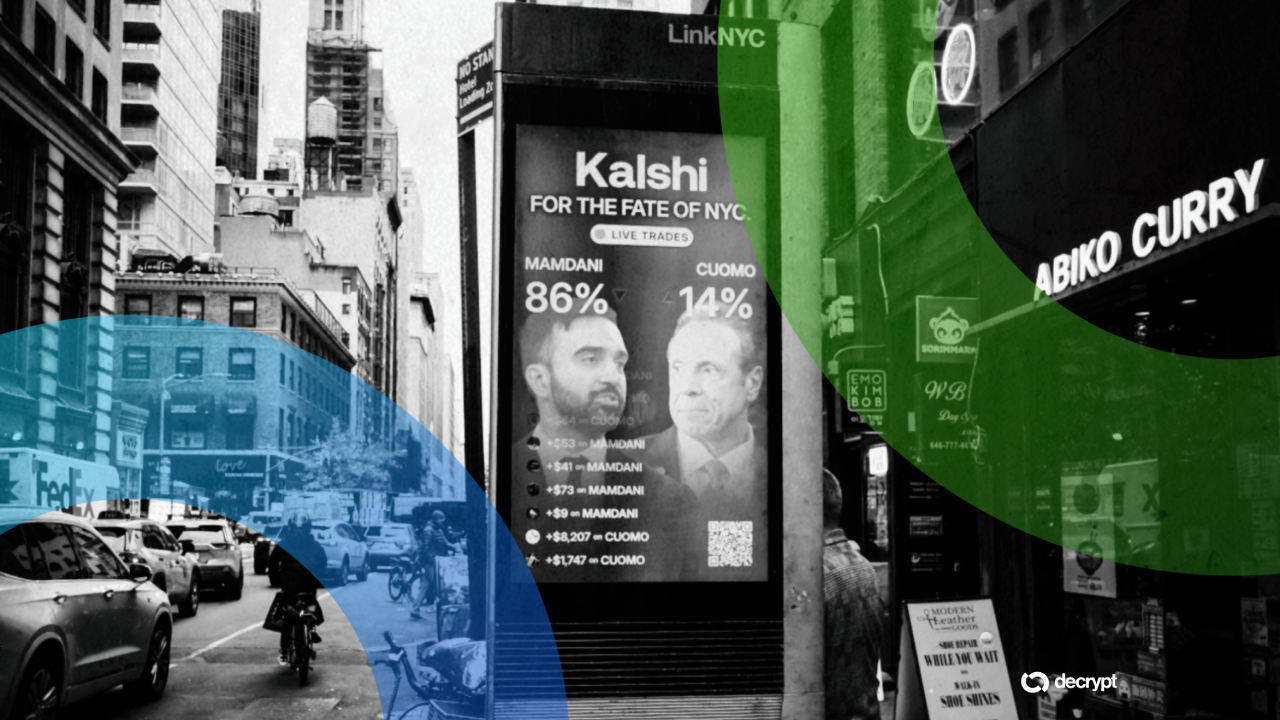
Kalshi says about 500 businesses have used it to hedge risks such as tariffs and bad weather, as legal fights weigh on its sports markets.
Kalshi says about 500 businesses have used it to hedge risks such as tariffs and bad weather, as legal fights weigh on its sports markets.
Related analysis: Perps and Swaps: How to Trade the News on Decrypt
Related Market Analysis

Perps and Swaps: How to Trade the News on Decrypt
BTCETH
CFTC Chair on Hyperliquid and onchain venues, Ripple CLO doubts Elizabeth Warren will set crypto policy, and more
BTCETH

Lighter pauses withdrawals after reported $10M account theft
BTCETH

OpenAI says its AI can break into Linux at scale. Here's what it means for crypto
ETHBTC
Frequently Asked Questions
Kalshi's microinsurance enables small businesses to hedge specific risks—tariffs, adverse weather, commodity price swings—through derivative contracts. Users set risk parameters and pay premiums proportional to exposure. The platform functions similarly to weather derivatives markets but with simplified UX targeting SMBs lacking traditional insurance access.
Multiple US states have initiated legal actions against Kalshi's sports betting operations, citing regulatory jurisdiction concerns. Rather than face prolonged litigation, Kalshi diversified into microinsurance—a less legally contested use case for its prediction market infrastructure. This mirrors industry-wide regulatory pressure on decentralized gambling platforms.
Kalshi reports approximately 500 businesses currently using microinsurance products. While modest compared to traditional insurance penetration, this represents meaningful early adoption in an emerging blockchain risk-management category. Scale-up depends on regulatory clarity and competitive differentiation versus centralized derivatives platforms.
Kalshi's microinsurance has negligible direct price impact on Bitcoin or Ethereum. However, successful regulatory navigation could normalize crypto derivatives in mainstream commerce, indirectly supporting institutional adoption. Conversely, adverse rulings might signal broader anti-crypto enforcement, pressuring sentiment across digital asset markets.
Microinsurance classification remains ambiguous across US jurisdictions. Insurance regulators may demand state licensing; derivatives regulators may assert jurisdiction. If states require traditional insurance compliance, Kalshi faces licensing costs and operational constraints. Unclear regulatory boundaries create execution uncertainty despite product-market fit signals.
#Kalshi microinsurance 2026#crypto derivatives regulatory risk#prediction markets legal battles#small business risk hedging crypto#decentralized insurance tariff hedging#state regulation crypto betting#weather derivatives blockchain
Want Deeper Expert Analysis?
Get insights from our verified crypto analysts with transparent track records.