NeutralImpact 72
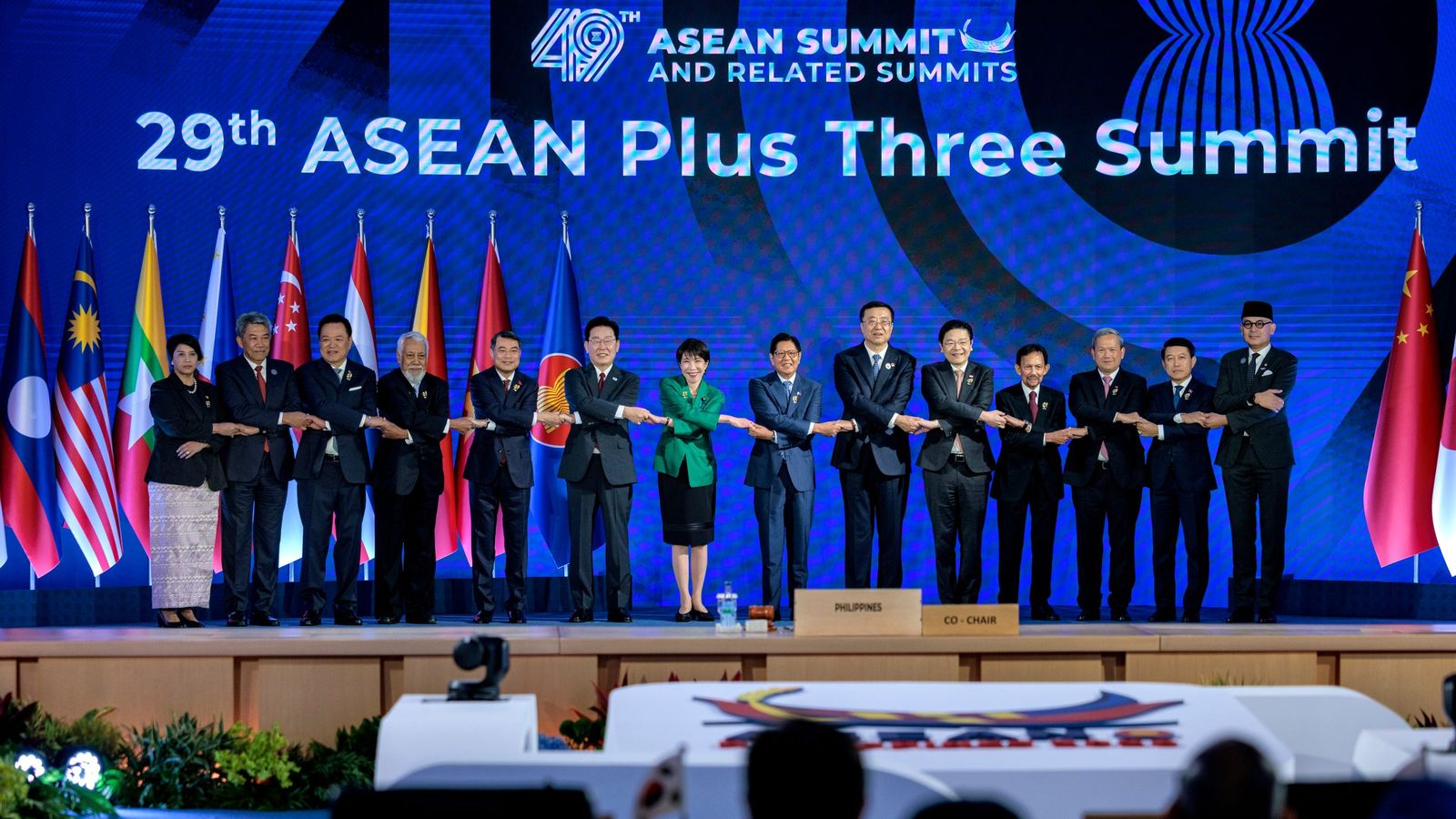
China, Japan, South Korea and ASEAN to form working group on digital payments, crypto regulation
XPERTRAX11/27/2026, 4:18:40 AM1263 views
Summary
The decision comes after the group met in May in Uzbekistan and identified cross-border digital payments as a new area of cooperation.
Related analysis: WLFI Token Crash: 50% Drop to Record Low, What Traders Face
Expert analysis coming soon...
Related Market Analysis


Frequently Asked Questions
China, Japan, South Korea, and ASEAN nations formed a coordination body in 2026 to standardize digital payment rules and cryptocurrency regulation. The group identified cross-border settlements as priority areas, targeting harmonized stablecoin and CBDC frameworks within 18 months. This follows multilateral meetings in Uzbekistan and reflects increasing institutional demand for regulatory clarity.
Regional regulatory clarity historically increases institutional adoption and reduces exchange friction. Asian markets represent 60%+ of global crypto volume. Coordinated frameworks typically strengthen longer-duration price discovery through reduced regulatory uncertainty premiums. Near-term impact limited; material effects expected Q1-Q2 2027 upon specific regulation releases.
Yes. The group explicitly prioritized cross-border digital payments and stablecoin interoperability. Likely outcomes include reserve requirements, issuer licensing, and CBDC compatibility standards. Historical precedent suggests 12-18 month implementation timelines. USDT and USDC may face expanded compliance obligations but gain institutional legitimacy through formal oversight.
Traders should monitor regulatory clarity on stablecoins and CBDC frameworks, expected Q1 2027. Coordination reduces volatility from unilateral bans but may increase compliance costs for smaller platforms. Asian exchange volumes may shift as regulatory preferences consolidate. Long-duration positioning typically improves under clearer frameworks due to reduced tail risks.
Potential downsides include stricter reserve requirements for stablecoins, reduced retail access in certain jurisdictions, and enforcement actions against non-compliant platforms. However, coordinated regulation typically reduces systemic risks and regulatory arbitrage that previously created market instability. Adoption timelines and enforcement rigor remain uncertain.
#Asia crypto regulation 2026#ASEAN digital payments working group#China Japan South Korea crypto#cross-border blockchain regulation#stablecoin CBDC interoperability#Asian cryptocurrency policy coordination#regional digital currency framework
Want Deeper Expert Analysis?
Get insights from our verified crypto analysts with transparent track records.