NeutralImpact 72
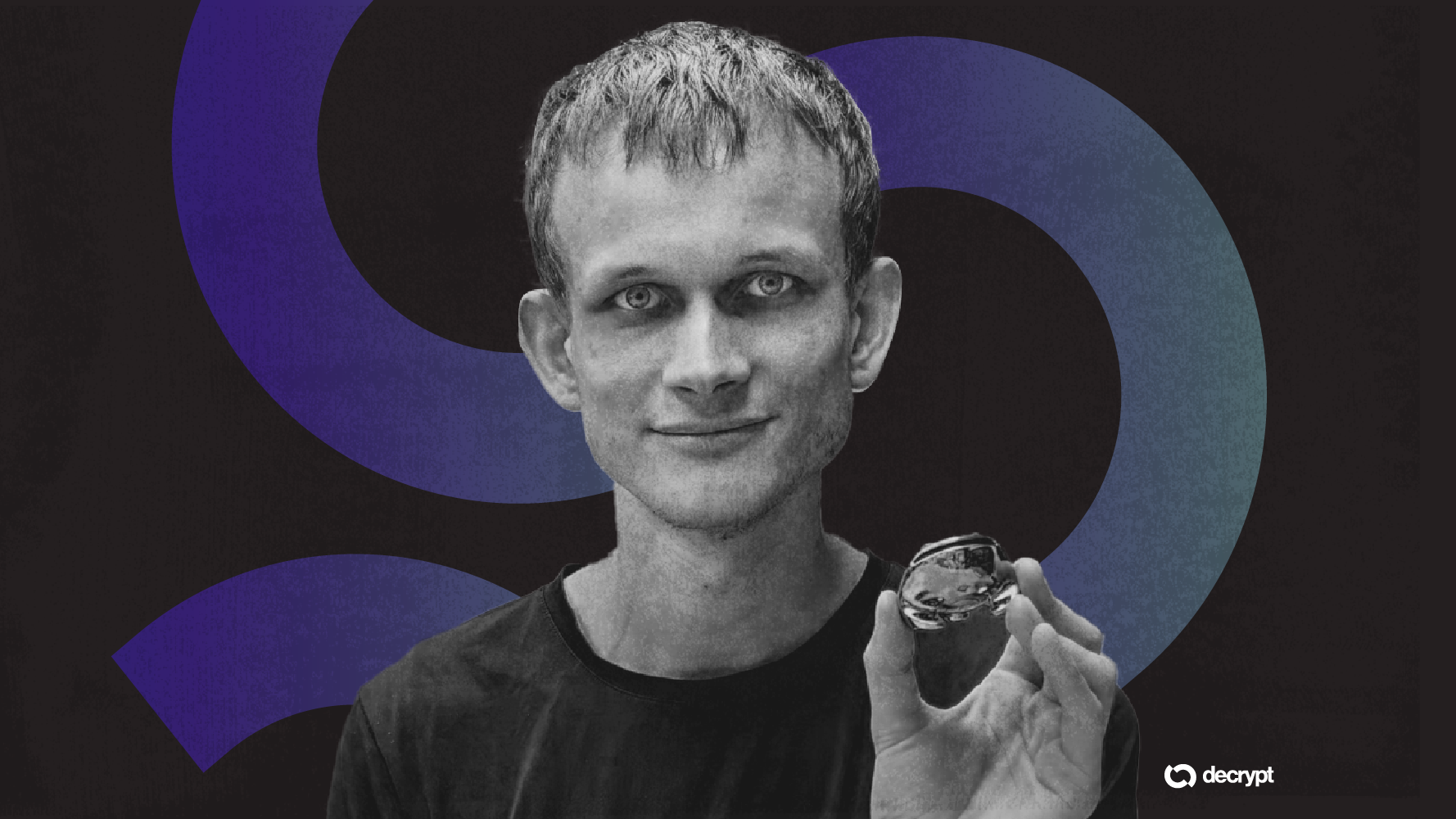
Vitalik Buterin Outlines 'Cryptographic World Computer' Plan for Ethereum
XPERTRAX9/28/2026, 4:29:42 PM430 views
AI Market Impact Summary
SentimentNeutral
Impact Score72/100
Affected AssetsETH, STRK, ZKSYNC
Summary
Hegota will be Ethereum's last 'normal' fork, he argues, with everything after built on recursive STARKs and formal verification.
ETH/USDT$2,424.93-5.39%
MA7MA25MA99
Hegota will be Ethereum's last 'normal' fork, he argues, with everything after built on recursive STARKs and formal verification.
For context on Ethereum's competitive positioning within zero-knowledge proof ecosystems, explore our related market analysis.
Expert Analyses (1)

Omar Hassan
Analyst
Vitalik's announcement about the 'Cryptographic World Computer' vision is a significant strategic pivot that demonstrates Ethereum's commitment to long-term scalability and security architecture. The transition from traditional forks to recursive STARKs and formal verification represents a maturation of the protocol—moving away from consensus-driven updates toward mathematically proven upgrades. This is exactly the kind of institutional-grade infrastructure development that attracts serious players in the Gulf region. From an institutional adoption perspective, this signals that Ethereum is positioning itself as a settlement layer with enterprise-grade security guarantees, which aligns perfectly with how sovereign wealth funds and family offices evaluate blockchain investments. The technical elegance here matters because it reduces governance risk and improves auditability—two critical factors for regulated crypto adoption in MENA markets. However, the current price action shows ETH is consolidating in a neutral zone with RSI at 45.8, suggesting the market hasn't fully priced in this long-term bullish narrative. The proximity to both MA7 and MA20 indicates healthy positioning for institutional entry. I see this as a multi-year accumulation opportunity, particularly for family offices looking at ETH as a strategic holding rather than trading vehicle.
For more insights, explore our market news.
Related Market Analysis

Major shareholder presses SkyAI on Solana sales after treasury shrinks 70% in a month
SOLBTC

US authorities dismantle crypto scam network that stole tens of millions
BTCETH

‘You’re committing crime in broad daylight’: Kalshi CEO defends prediction markets amid insider trading concerns
BTCETH

Standard Chartered Opens Bitcoin and Ethereum Trading to Wealthy UAE Clients
BTCETH
Related Questions
Frequently Asked Questions
Dencun (shipping Q4 2026) implements proto-danksharding and blob transactions, optimizing rollup costs. Buterin frames it as the final fork using conventional architecture; subsequent upgrades will layer recursive STARK proofs and formal verification, fundamentally altering Ethereum's upgrade methodology and reducing core protocol changes.
Recursive STARKs enable proof composition—stacking cryptographic proofs to verify other proofs. This reduces proof generation latency from ~12 minutes to subsecond speeds, lowering layer-2 operational costs. Competitors like Starknet already deploy this architecture; Ethereum's adoption signals protocol-level commitment to zero-knowledge verification.
Formal verification and recursive STARK integration span 2027–2028. Development phases include protocol specification (H1 2027), testnet deployment (H2 2027), and mainnet transition (2028). Execution risks include developer coordination complexity and ecosystem upgrade readiness across node operators and applications.
Short-term staking fundamentals (28.5M ETH staked, ~3.2% annual yield) remain unaffected through 2027. STARK architecture may reduce validator computational requirements long-term, potentially lowering hardware barriers. Proof generation migration could shift economic incentives from block proposers to proof aggregators, restructuring MEV dynamics.
Key risks include formal verification complexity causing development delays, developer ecosystem fragmentation if adoption lags, and competitive vulnerability to established STARK-based chains (Starknet, zkSync) during transition period. Historical precedent (London upgrade) required 18-month post-launch stabilization before network effects solidified.
#Ethereum Dencun fork 2026#recursive STARKs protocol upgrade#formal verification Ethereum roadmap#ETH layer 2 scaling architecture#Ethereum technical development 2026-2027#Vitalik Buterin Ethereum roadmap
Want Deeper Expert Analysis?
Get insights from our verified crypto analysts with transparent track records.