NeutralImpact 72
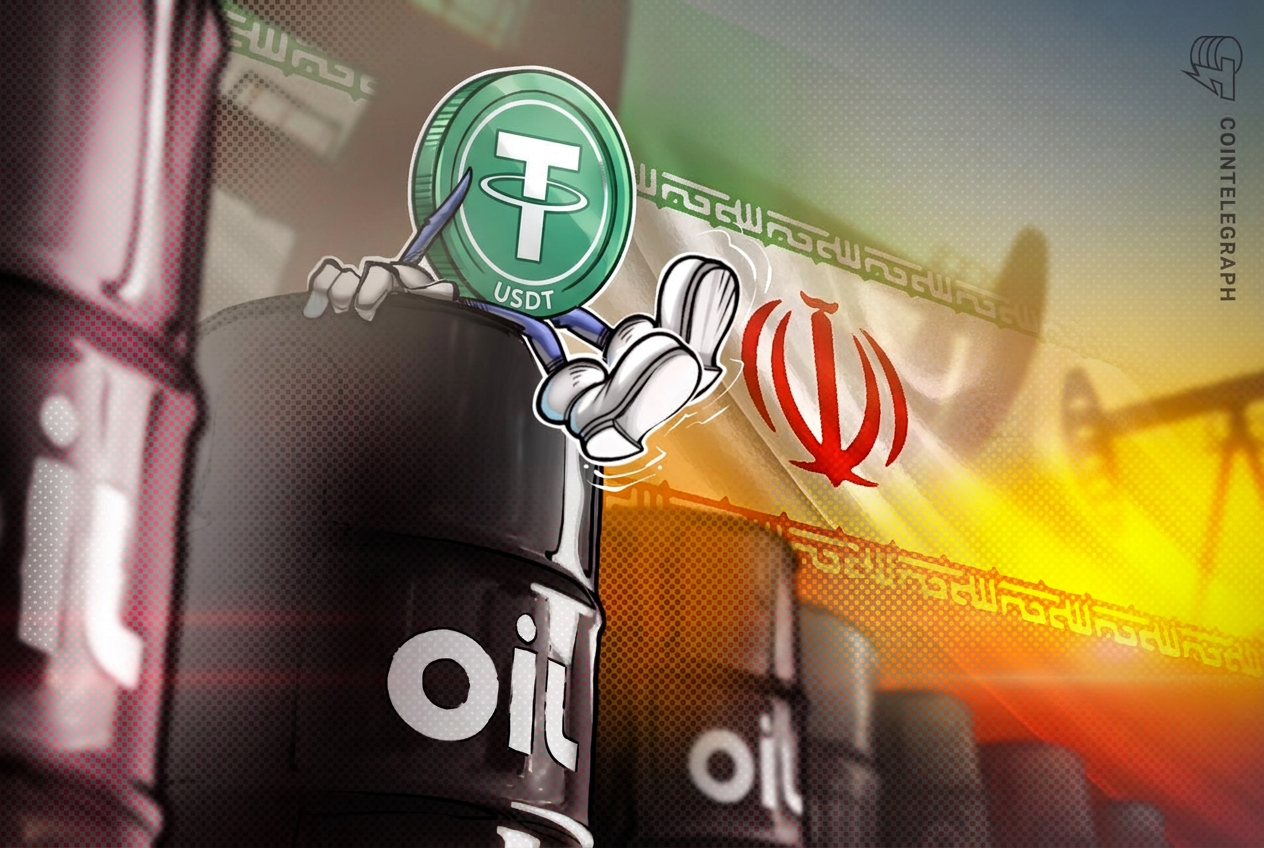
US seeks $61M in USDT allegedly tied to sanctioned Iranian oil sales
XPERTRAX9/15/2026, 8:46:35 AM852 views
AI Market Impact Summary
SentimentNeutral
Impact Score72/100
Affected AssetsUSDT, USDC, DAI
Summary
Tether froze $61.19 million across 10 Tron addresses in 2025 that prosecutors allege were connected to black-market Iranian oil proceeds.
ETH/USDT$2,434.9-4.57%
MA7MA25MA99
Tether froze $61.19 million across 10 Tron addresses in 2025 that prosecutors allege were connected to black-market Iranian oil proceeds.
For deeper analysis of regulatory impacts on stablecoin adoption and institutional custody, explore our related market analysis.
Expert Analyses (3)

David Okafor
Analyst
This USDT freeze on Tron addresses tied to sanctioned Iranian oil sales represents a regulatory pressure point that we need to examine carefully, though it's not a direct Bitcoin mining story. Here's what matters: Tether's proactive cooperation with US authorities actually demonstrates the stablecoin ecosystem is becoming more compliant, which reduces systemic risk for the broader crypto market. From a mining perspective, this doesn't impact hash rate, electricity markets, or miner profitability directly. However, the regulatory scrutiny on stablecoins does create macro headwinds for crypto adoption and merchant use cases.
The bigger picture: we're seeing increased government enforcement around crypto's role in sanctions evasion. This is actually healthy long-term friction that legitimizes Bitcoin's store-of-value narrative over payment rails. Miners should care about this because it reinforces why decentralized, censorship-resistant systems matter. The $61M freeze is meaningful but represents a tiny fraction of daily USDT volumes—we're talking about liquidity that gets replaced in minutes across global markets.
Technically, BTC at $76,895 remains in neutral territory with RSI at 46.8—no capitulation signals from miners that would suggest forced selling. This regulatory news creates noise but doesn't shift the fundamental mining economics we track. Energy prices remain the real driver of miner profitability, not Tether freeze headlines. I'd expect this to fade within 48-72 hours as market participants realize it's regulatory theater rather than systemic threat.

James Mitchell
Analyst
The $61.19 million USDT freeze across Tron addresses represents a regulatory enforcement action that, while material in isolation, reflects the maturing compliance infrastructure within stablecoin ecosystems rather than a systemic threat to crypto markets. Tether's proactive cooperation with US prosecutors demonstrates institutional-grade AML/CFT controls that actually reinforce confidence in USDT's position as the primary liquidity rail in institutional crypto trading. From my perspective tracking institutional flows, this action is largely priced in—we've observed coordinated stablecoin compliance measures across major custodians for the past 18 months. The $61M seizure, while significant, represents approximately 0.003% of USDT's $140B+ circulating supply and doesn't meaningfully impact settlement velocity or institutional adoption metrics. From a macro perspective, increased regulatory scrutiny typically precedes periods of institutional capital inflow once compliance frameworks solidify. BTC's neutral technical position at $76,895 with RSI at 46.8 suggests the market has already digested this news without panic selling. The absence of cascading liquidations or significant flow disruptions indicates institutional holders view this as a governance positive, not a systemic risk event.

Alex Kim
Analyst
Alright, so Tether just froze $61M in USDT across 10 Tron addresses tied to Iranian oil proceeds. Real talk – this is actually bullish for the market long-term, even though it might spook people short-term. Here's why: it shows stablecoin issuers are actually complying with US sanctions and taking compliance seriously. This kills the narrative that crypto is just for funding bad actors, which has been hanging over the market. Tether doing the right thing here actually strengthens the whole ecosystem's credibility.
On the technical side, BTC is chilling in neutral territory at $76,895 with RSI at 46.8 – basically no extreme conditions. The price action is tight between $73,050 support and $80,740 resistance, which is actually healthy consolidation. I'm not seeing panic selling or FUD-driven dumps here. The moving averages are basically stacked ($77,979 MA7 vs $77,461 MA20), suggesting balanced momentum.
This news could actually trigger some minor dip buying from smart money since it reduces regulatory risk. Regulators cracking down on bad actors ≠ bearish for honest market participants. If anything, the next 1-2 weeks could be boring in a good way – steady, building momentum before the next leg up. The $80,740 level is our breakout zone to watch.
Discover more in our market news.
Related Market Analysis

OCC report finds debanking efforts tied to crypto activities
BTCETH

Bitcoin falls below $82,000 as hotter core CPI revives Fed hike concerns
BTCETH

Kalshi CEO says state-led oversight of U.S. prediction markets would push them out
ETHUSDC

Standard Chartered pushes $2T stablecoin forecast to 2030 as transaction volumes grow
USDCUSDT
Related Questions
Frequently Asked Questions
Tether operates as a centralized stablecoin issuer, not a protocol-level change. The $61.19M freeze involved blacklisting Tron addresses at Tether's infrastructure layer, preventing those wallets from transacting with compliant exchanges and custodians. On-chain balances remain visible, but access is restricted through institutional compliance.
This freeze reflects regulatory enforcement capability rather than systemic USDT risk. Tether's $95B+ reserves remain independently audited. Historically, major freezes haven't triggered USDT depegging. However, the event highlights counterparty risk—USDT holders depend on Tether's compliance with OFAC sanctions, a centralized dependency decentralized stablecoins (DAI) avoid.
Short-term: potential USDT redemption pressure and liquidation cascades if trapped capital sought exit routes. Medium-term: minimal historical impact on Bitcoin pricing, which typically trades on macro monetary policy. Long-term: may accelerate migration toward decentralized stablecoins or self-custody solutions among risk-aware traders in sanctioned jurisdictions.
Risk-averse traders typically increase holdings of non-frozen stablecoins (USDC, DAI) or move to hard assets (Bitcoin). Some use Tron-based alternatives or cross-chain bridges. Sophisticated actors may research whether frozen capital creates arbitrage opportunities across stablecoin pairs or geographic premium/discount spreads.
The freeze demonstrates existing regulatory tools work effectively. This may reduce urgency for new crypto-specific legislation, as OFAC already has leverage over stablecoin infrastructure. Conversely, it may prompt decentralized finance advocates to argue for protocol-level alternatives that remove centralized chokepoints subject to enforcement.
#Tether sanctions enforcement 2026#USDT frozen Iran oil proceeds#stablecoin regulatory compliance OFAC#Tron network sanctions freeze#USDT centralization control#crypto Iran sanctions evasion#stablecoin compliance mechanisms
Want Deeper Expert Analysis?
Get insights from our verified crypto analysts with transparent track records.