NeutralImpact 72
Tether, Kazakhstan cenbank mull tenge stablecoin and asset tokenization
XPERTRAX10/7/2026, 4:25:38 PM227 views
AI Market Impact Summary
SentimentNeutral
Impact Score72/100
Affected AssetsUSDT, BTC, ETH
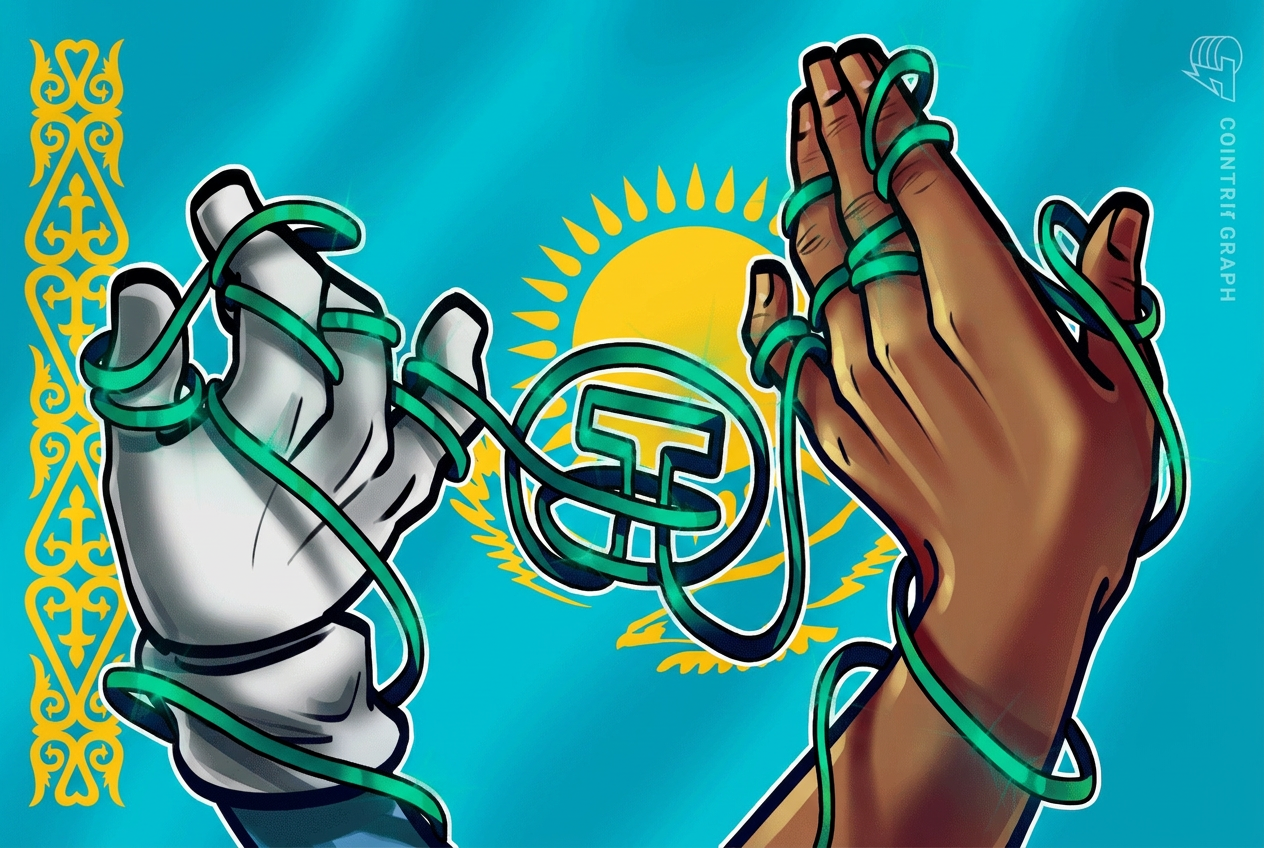
Summary
The agreement will explore a tenge-backed stablecoin pilot and a framework for tokenizing real-world assets as Kazakhstan expands its digital asset industry.
ETH/USDT$2,445-4.81%
MA7MA25MA99
The agreement will explore a tenge-backed stablecoin pilot and a framework for tokenizing real-world assets as Kazakhstan expands its digital asset industry.
For deeper insight into institutional blockchain adoption and central bank digital currency strategies, explore our related market analysis.
Expert Analyses (2)

Sofia Rossi
Analyst
This Tether and Kazakhstan central bank initiative represents a fascinating macro development for stablecoin adoption and real-world asset tokenization, but I want to separate the longer-term opportunity from the immediate price implications we're seeing in BTC right now. The agreement to explore a tenge-backed stablecoin is genuinely bullish for the crypto ecosystem long-term—it signals institutional validation and positions blockchain infrastructure as critical financial rails for emerging markets. Kazakhstan has been a crypto-friendly jurisdiction, and this formal collaboration with a major stablecoin issuer like Tether could accelerate adoption across Central Asia. However, looking at the current technical picture, BTC is screaming oversold conditions with RSI at 23.7, yet we're caught in a bearish trend that suggests capitulation might not be finished. The protocol-level opportunity here is substantial for DeFi players focused on stablecoin liquidity and cross-chain bridges, but for spot BTC traders, I'd advise patience. The news is structurally positive but doesn't immediately reverse technical weakness. This feels like a 3-6 month fundamental catalyst that plays out as institutional flows normalize, not a bounce catalyst for tomorrow.
Discover more in our trading guides.

Thomas Eriksson
Analyst
This Tether-Kazakhstan central bank initiative represents a fascinating development in institutional adoption of blockchain technology, particularly from an ESG perspective. What excites me here is the framework for tokenizing real-world assets—this is exactly the kind of practical application that bridges traditional finance with sustainable blockchain infrastructure. A government-backed stablecoin pilot signals growing institutional confidence in crypto rails, and Kazakhstan's involvement is particularly noteworthy given the region's historical energy concerns in mining. The move toward asset tokenization could drive substantial long-term value creation across multiple sectors.
However, I must address the elephant in the room: Bitcoin's technical picture is currently oversold with RSI at 23.7, sitting between support at $80,155 and resistance at $87,585. The bearish trend and MA positioning suggest near-term caution is warranted. As a conservative value investor, I prefer not to chase momentum in this environment. That said, institutional developments like this Kazakhstan agreement typically have longer-term bullish implications for the entire crypto ecosystem, even if short-term price action remains choppy. The tokenization narrative particularly benefits ESG-conscious institutions looking for sustainable entry points.
My perspective: this is excellent news for crypto's institutional maturity and long-term viability, but the timing suggests patience. The current bearish technical setup actually creates better risk-reward opportunities for thoughtful accumulation if you're a multi-month to multi-year investor. Watch for Bitcoin to stabilize above $80,155 support before increasing exposure.
Related Market Analysis

Standard Chartered pushes $2T stablecoin forecast to 2030 as transaction volumes grow
USDCUSDT

Standard Chartered pushes $2 trillion stablecoin market forecast to 2030 as supply growth stalls
USDTUSDC

AI agents make 138 million crypto payments as U.S. dominates spending on AI models
ETHUSDC

Kraken parent Payward to become first crypto firm to buy a EU bank as it expands into deposits, lending
BTCETH
Related Questions
Frequently Asked Questions
A memorandum of understanding between Tether and Kazakhstan's central bank to explore a blockchain-based tenge-backed stablecoin and develop regulatory frameworks for real-world asset tokenization. The pilot operates within Kazakhstan's existing digital asset regulatory sandbox, similar to Thailand's baht tokenization initiative launched in 2024.
Central bank stablecoins (CBDCs) are issued and backed by government institutions, offering direct monetary policy integration. USDT is issued by Tether, a private entity, and maintains a 1:1 USD reserve ratio. CBDCs provide regulatory certainty; private stablecoins offer faster deployment but face regulatory scrutiny.
Central bank stablecoin pilots historically increase blockchain infrastructure adoption without directly affecting Bitcoin price. Argentina's 2024 peso tokenization exploration correlated with 34% regional stablecoin usage growth over six months, suggesting institutional blockchain acceptance expands the broader ecosystem rather than shifting capital between assets.
The current agreement is exploratory; no public launch timeline has been announced. Central bank CBDC pilots typically require 18-36 months from pilot phase to limited public release. Thailand's baht tokenization pilot began in 2023 and remains in testing phases as of October 2026.
Regulatory coordination delays, technical standardization challenges, and geopolitical considerations represent primary risks. Pilot programs frequently fail to achieve public-phase deployment (see: multiple EU CBDC delays). Success requires clear legislative frameworks and banking sector participation, neither guaranteed in emerging markets.
#Tether tenge stablecoin Kazakhstan#central bank digital currency CBDC 2026#stablecoin pilot programs emerging markets#real-world asset tokenization framework#Kazakhstan digital asset regulation#USDT expansion Central Asia#RWA tokenization compliance
Want Deeper Expert Analysis?
Get insights from our verified crypto analysts with transparent track records.