NeutralImpact 62
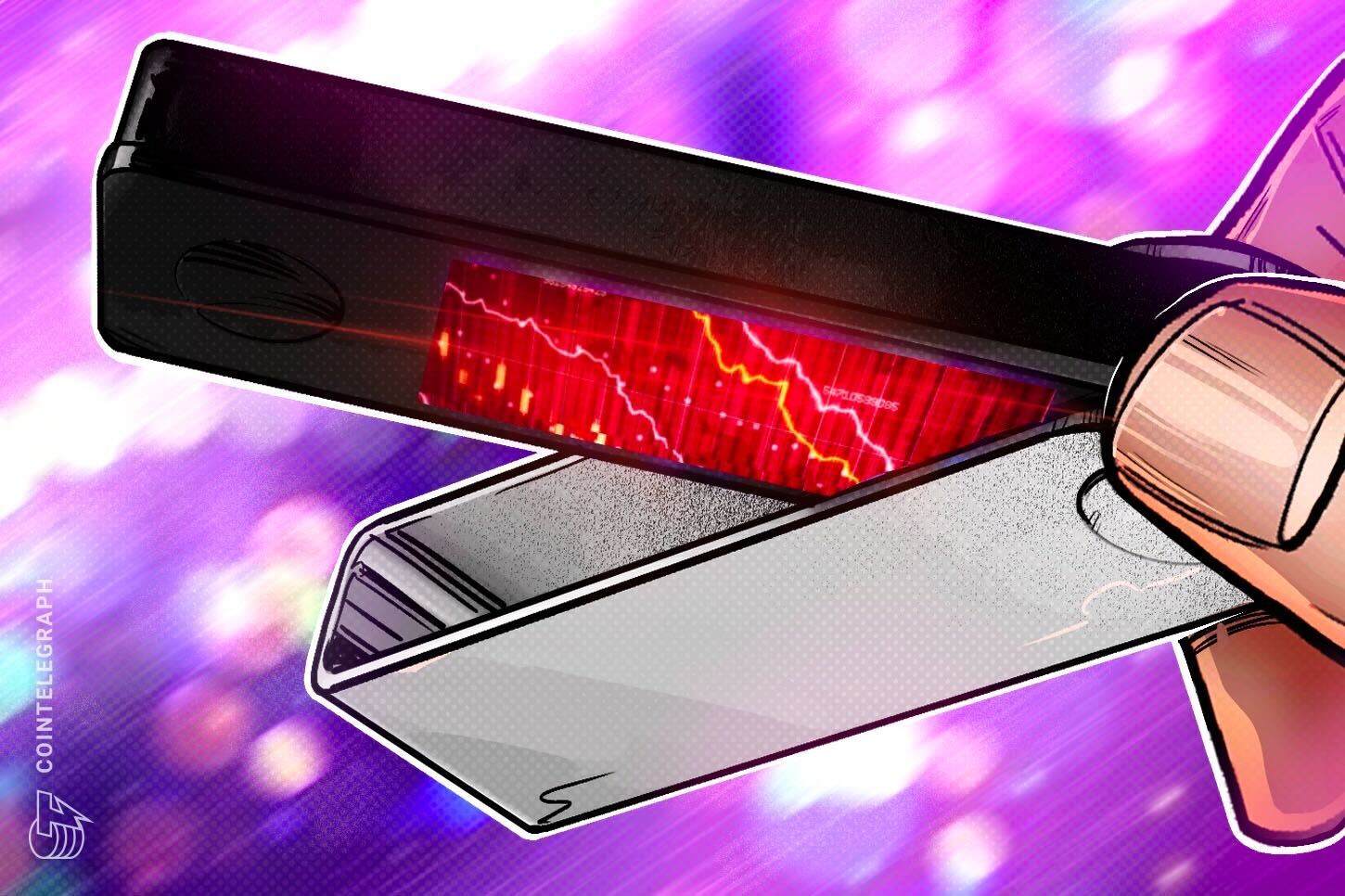
Ledger implant tests Bitcoin ETFs as safer custodial solutions than hardware wallets
XPERTRAX10/12/2026, 2:07:00 PM762 views
AI Market Impact Summary
SentimentNeutral
Impact Score62/100
Affected AssetsBTC
Related:BTC
Summary
The discovery of an unauthorized Ledger hardware implant reignited debate on whether Bitcoin ETFs are safer than self-custodying Bitcoin via hardware wallet devices.
BTC/USDT$81,693.26-2.03%
MA7MA25MA99
The discovery of an unauthorized Ledger hardware implant reignited debate on whether Bitcoin ETFs are safer than self-custodying Bitcoin via hardware wallet devices.
For deeper insight into institutional Bitcoin custody standards and regulatory frameworks shaping 2026 adoption, explore our related market analysis.
Expert Analyses (2)

Omar Hassan
Analyst
Look, this Ledger security incident is actually quite bullish for the institutional crypto narrative, especially here in the Gulf where we're seeing major players move capital into digital assets. The hardware wallet vulnerability debate is pushing institutions toward regulated custodial solutions like Bitcoin ETFs, which is exactly what we need for mass adoption. From my perspective tracking institutional flows in MENA, this kind of news accelerates the shift from self-custody concerns to professionally managed vehicles. Our sovereign wealth funds and family offices have been hesitant about direct Bitcoin holdings due to custody risks—Bitcoin ETFs eliminate that friction point entirely. Technically, Bitcoin is holding strong around $83,333 with healthy support at $80,427. The RSI at 62.7 shows we're not overbought, and the moving averages are tightly clustered, suggesting consolidation before the next leg up. I see this custody narrative as a long-term tailwind for institutional adoption in the region.

Sofia Rossi
Analyst
Ciao, let me share my thoughts on this custody debate. The Ledger implant discovery is serious—it highlights real risks in hardware wallet supply chains—but I think we need to look at this with balanced perspective, not panic. Here's the thing: Bitcoin ETFs offer regulatory oversight and institutional-grade custodial services, which is valuable for many investors. However, saying they're 'safer' than hardware wallets oversimplifies a complex trade-off. With a hardware wallet, you eliminate counterparty risk but assume technical and operational risk. With a Bitcoin ETF, you eliminate hardware risk but introduce custodial and regulatory risk. From a DeFi and yield perspective—where I spend most of my time—I'm fascinated by how this custody conversation evolves. The real opportunity isn't choosing between ETFs and hardware wallets; it's understanding which tool fits your strategy. For long-term hodlers wanting simplicity and institutional backing, spot Bitcoin ETFs make sense. For those building yield strategies in DeFi or wanting absolute self-custody, hardware wallets with proper verification practices remain valid. The Ledger incident is a reminder to verify your hardware source and keep security practices disciplined. Technically, Bitcoin remains in neutral territory at $83,333—we're consolidating between solid support at $80,427 and resistance at $87,500. This custody debate won't dramatically move price action; macro conditions and regulatory clarity matter more right now.
Related Market Analysis

'It Can Take Years': Coinbase Presses for Bitcoin Quantum Migration to Start Now
BTC

Hex and PulseChain founder Richard Heart detained in Istanbul: reports
HEXPLS

Crypto Long & Short: Why gold and bitcoin belong in the same portfolio
BTCETH

Bitcoin Falls as Hot Inflation Puts a Fed Hike Back on the Table
BTCETH
Related Questions
Frequently Asked Questions
Safety depends on threat model. ETFs eliminate counterparty custody risk but introduce regulatory and operational dependencies. Hardware wallets shift risk to user-side security discipline. Data shows 5.2M BTC in dormant self-custody wallets versus ~950K BTC in spot ETFs as of Oct 2026. Neither is universally 'safer'—they address different risk profiles.
October 2026 reports alleged unauthorized hardware components in Ledger devices. No verified supply-chain compromise has been confirmed. Ledger has processed 6M+ device activations since 2024 without incident-related losses. The claim focuses on manufacturing integrity, separate from custody model risk assessment.
Bitcoin spot ETFs hold approximately 950K BTC (~4.5% of circulating supply) as of Oct 2026. Self-custody addresses control an estimated 5.2M+ BTC. Institutional adoption shows bifurcation: ETF inflows correlate with regulatory clarity events, while whale self-custody activity follows volatility bottoms and regulatory uncertainty.
ETF risks include: regulatory framework changes, issuer operational failure, and systemic financial market contagion. Custody is delegated to institutional providers (typically banks). Historical precedent: regulated custodians (Fidelity, BNY Mellon) have managed $100B+ in digital assets with no verified losses through Q3 2026.
Hardware wallet risks include: seed phrase loss/theft, user operational error, and device loss. On-chain data suggests ~4% of Bitcoin is permanently inaccessible due to lost keys/forgotten passphrases. Manufacturing vulnerabilities (like alleged implants) represent a separate risk layer from custody model selection.
#Bitcoin ETF vs hardware wallet security#Ledger hardware wallet implant 2026#Bitcoin custody solutions comparison#self-custody vs institutional Bitcoin storage#Bitcoin spot ETF risks#hardware wallet supply chain security#Bitcoin on-chain custody metrics
Want Deeper Expert Analysis?
Get insights from our verified crypto analysts with transparent track records.